Advanced Diving Courses in Jeddah: What's Next After Open Water?
Take Your Skills Further: The Value of Advanced Diving Training
The Open Water class provides the basics for diving. It teaches you how to use your equipment, breath control, communicate underwater, and how to dive safely. However, the true mastery comes from experiencing different environments and making decisions underwater.
Taking an advanced class will enable you to advance beyond the certification level. It allows you to improve your buoyancy, plan, navigate, maintain depth awareness, and become better at communicating underwater with your partner. While previously you concentrated on basic skills, now you are becoming more comfortable and aware underwater.
Advanced training may give you access to additional Red Sea sites for diving in Jeddah. These sites may require you to dive deeper, have different visibility, require you to be aware of the current and plan accordingly. Under the instruction of an instructor, you get an opportunity to experience all of this in a safe way.
Advanced training is not about jumping into a challenge immediately. It is about having controlled and structured experience.
What You’ll Learn in an Advanced Diving Course
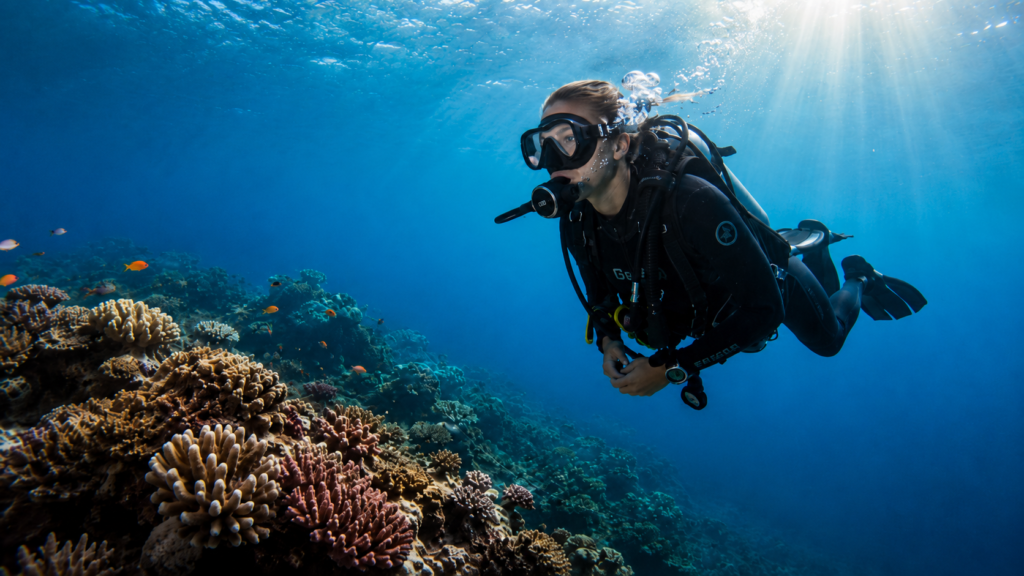
The Advanced Open Water Jeddah program is aimed at broadening the range of skills by conducting dives and instructing students in a hands-on approach. The content can vary depending on the training organization and course structure but typically combines knowledge development and open water dives.
The skills taught may include:
- Deep diving awareness
- Navigation under the water
- Improvement of buoyancy
- Night diving or adventure dives
- Planning dives
- Communication with the buddy
- Depth, air, and time limits awareness
These dives help in becoming a more versatile diver. Deep diving teaches you planning and depth awareness, navigation teaches about directions, distance and orientation under the water.
A lot of divers undergo a dramatic transformation at this stage. You stop being a beginner and start gaining more confidence in yourself. You observe marine life better, you become smoother and learn how to manage yourself under the water rather than depend on the instructor or guide entirely.
Specialty Diving Courses That Expand Your Skills and Freedom
Among many courses that may be interesting for the divers, we will talk about Nitrox course, Deep Diving, and Navigation.
The SSI Nitrox course is a great option for divers that want to make multiple dives within a single day. Since Nitrox is enriched air, which consists of larger oxygen percentage compared to regular air, it can potentially prolong no-decompression time if used properly. It can come handy for repetitive dive trips.
Deep Diving would be suitable for those divers that like to explore deeper areas. The main point of this course is not the depth but rather learning how to plan the dives, control your gases, maintain proper buoyancy on greater depths, communicate with your buddy, understand the hazards such as nitrogen narcosis, etc.
Navigation course would suit those people that want to achieve more independence. Most often beginners just follow their instructor without even knowing where they are going. This course would teach you to navigate with the help of compass, find natural references and estimate the distances.
These specialties make you a smarter diver.
How to Move from Recreational Diver to Divemaster
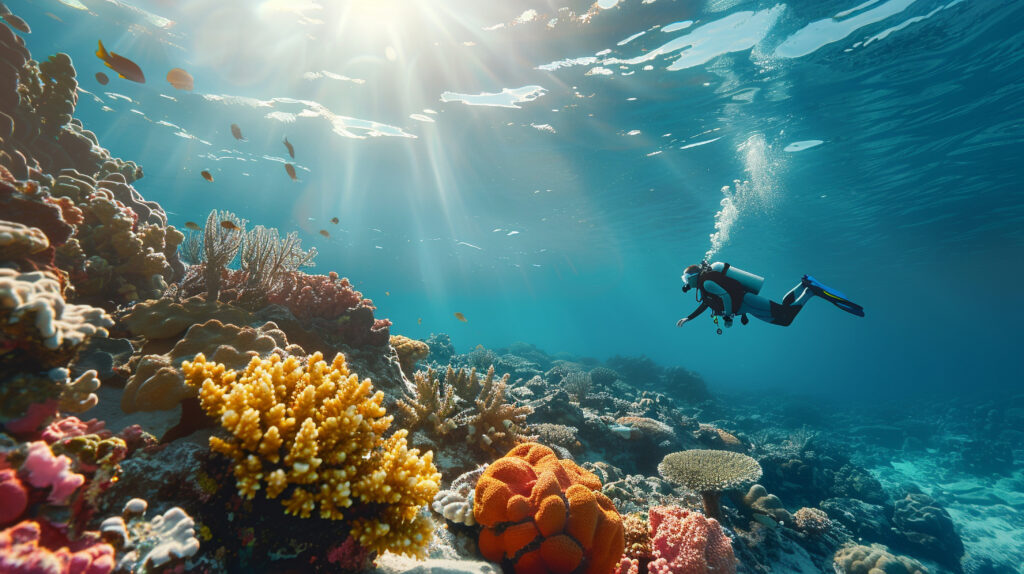
For others, additional education may be the first step towards the professional career. For all those who aspire to lead dives, help with training or work in the diving industry, Divemaster may become the ultimate aim.
Here is what such a path might include:
- Open Water Diver
- Advanced Open Water or SSI advanced education
- Rescue / Diver Stress and Rescue
- Additional dives and experience
- Divemaster education
The Rescue stage is very important, because it will change your outlook and teach you to identify stress, help your buddy, prevent problems and act correctly in emergencies. It will prepare you for diving at the leader level.
Divemaster education demands not only skills, but also maturity, patience, awareness and confidence in any conditions. Education is essential, but logged dives are equally important. The more time you spend underwater, the more you know about equipment, people, safety, and the ocean.
If you want to become a Divemaster, be patient and make sure you build your base right.
Which Diving Certification Should You Take Next?
Of course, it all depends on which kind of diver you aspire to be. Not all divers need to go through the same next course after completing their Open Water course.
Here is a simple decision tree:
- Advanced Open Water or the SSI advanced diver program if you are looking for some diving experience in different kinds of diving.
- Nitrox if you are looking for more flexibility when you do your repetitive diving.
- Deep Diver if you want to explore deeper dive sites.
- Navigation if you are looking for better orientation and control in water.
- Try Rescue or Diver Stress and Rescue if you want to be a responsible dive buddy.
Remember that sometimes the right thing to do is simply to dive more often. Guided dives and practice can help you realize which specialty is more appealing to you.
A diver with 10 dives still needs to develop more confidence and practice. While a diver with 50 or even 100 dives is prepared for something deeper and more specific.