How to Start a Scuba Diving Course: A Complete Beginner’s Guide
Scuba diving opens a completely new world of coral reefs, marine life, and underwater adventures that most people only see in documentaries. The right Scuba Diving course gives beginners the skills, confidence, and certification they need to explore safely and enjoy every dive
Table of Contents
What Is a Scuba Diving Course?
A beginner Scuba Diving course is a structured training program that teaches you how to breathe, move, and stay safe underwater using scuba equipment. When you complete a recognized entry-level course (such as Open Water Diver), you earn a certification card that allows you to dive with a buddy to a set depth limit anywhere in the world.
Who Can Join a Scuba Diving Course?
Most entry-level scuba certifications are open to reasonably healthy people from about 10 to 15 years old and above, depending on the training agency and course type. You should feel comfortable in the water and be able to swim a short distance, but you do not need to be an athlete to start a Scuba Diving course.
If you have medical conditions such as heart, lung, or ear issues, a doctor’s clearance may be required before joining. A good instructor will discuss any concerns with you and help you decide whether a beginner Scuba Diving course is suitable.
Types of Beginner Scuba Diving Courses
Different course options exist for first-time divers, so you can choose the path that fits your time, budget, and confidence level. Common beginner options include:
- Introductory or “Try Dive” programs: A half-day experience where you learn basics and make a shallow supervised dive without getting fully certified. Ideal if you want to test whether a full Scuba Diving course is right for you.
- Scuba Diver course: A shorter certification that often limits you to around 12 m depth and requires you to dive with a professional, but it can be upgraded later to full Open Water.
- Open Water Diver course: The most popular entry-level Scuba Diving course, typically taking 2–4 days and qualifying you to dive independently with a buddy to around 18 m.
How a Beginner Scuba Diving Course Is Structured
Most global training agencies follow a similar three-part structure for a beginner Scuba Diving course. You progress step by step from theory to shallow water practice and finally to real open-water dives.
1. Theory and dive knowledge
In the academic section, you learn:
- Dive up to 12 meters with a professional
- Complete theory, pool, and open water sessions
- Gain key safety and equipment handling skills
- How pressure affects your body and equipment underwater
- Basic dive planning, depth and time limits
- How to avoid common injuries like ear barotrauma and decompression sickness
- Earn your SSI Scuba Diver certification card
This theory can be completed via eLearning, classroom sessions, or a mix of both before you move to the water sessions.
2. Confined water skills
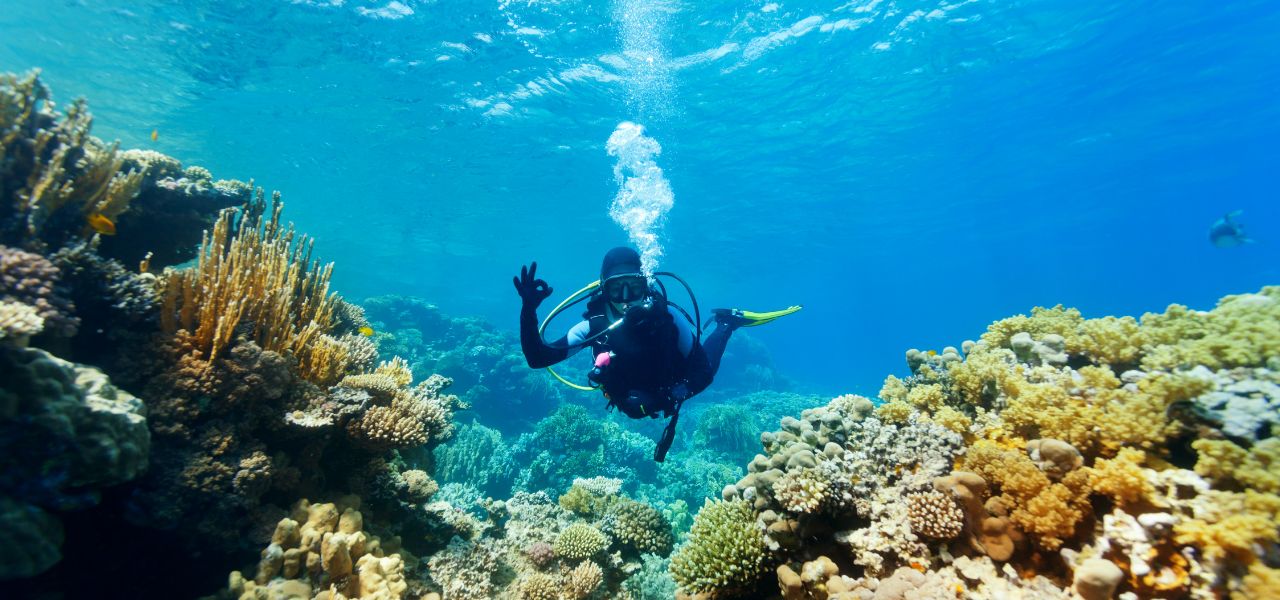
Your first breaths underwater usually happen in a pool or very calm, shallow water. During this stage, your instructor demonstrates skills and you practice them until they feel natural, including:
- Clearing water from your mask
- Recovering and clearing your regulator
- Achieving neutral buoyancy and hovering
- Sharing air with a buddy in a controlled drill
The confined water part of a Scuba Diving course is where most beginners gain confidence and learn to relax underwater
3. Open water training dives
Once you complete your pool skills, you make a series of open-water dives, usually four dives over two days for a standard Open Water Scuba Diving course. On each dive you:
- Do a pre-dive safety check with your buddy
- Repeat key skills you practiced in confined water
- Spend time exploring the dive site under supervision
On the final dive, you typically plan and execute a simple dive with your buddy to show that you can dive safely and independently within your limits.
Essential Scuba Diving Equipment for Your Course
A good Scuba Diving course introduces you to the standard gear you will use on most dives. Core equipment includes:
- Mask and snorkel
- Fins and wetsuit
- Buoyancy control device (BCD) and weight system
- Regulator set and alternate air source
- Tank and pressure/depth gauges or dive computer
Most dive centers include full equipment rental in the price of a beginner Scuba Diving course, although many students prefer to buy their own mask, snorkel, and sometimes fins for comfort and hygiene.
Why You Should Choose Mermates Center
Picking Mermates is one of the most important decisions when starting a Scuba Diving course. Why?
- Certification agency: Earn your SSI Scuba Diver certification card, student-to-instructor ratio, emergency oxygen availability, and maintenance of equipment.
- Location and conditions: Calm, clear training sites and access to a pool or confined water area make learning much smoother for beginners.
- Reviews and reputation: Check online reviews in Mermarts MAP and ask other divers to see how previous students enjoyed their Scuba Diving course experience.
With mermates you can ask about everything: course schedule, total time in water, what is included in the price, and whether you can complete theory online before you arrive.
Cost and Duration of a Scuba Diving Course
It costs 1,700.00 SAR – 1,800.00 SAR, and usually takes 2–4 days of training and several study hours. The main cost components are:
- Course tuition and instructor time
- Learning materials or eLearning access
- Equipment rental and boat/entry fees
- Certification processing fee
Always ask for a clear price breakdown so you can compare dive centers fairly and understand what you are paying for in your Scuba Diving course.
Safety Basics Every Beginner Must Learn
Every reputable Scuba Diving course focuses strongly on safety habits that become automatic over time. Core principles include:
- Never hold your breath while breathing compressed air
- Ascend slowly and stay within no-decompression limits
- Always dive with a buddy and perform pre-dive safety checks
- Monitor your air, depth, and time throughout the dive
You also learn underwater communication with hand signals, how to handle common problems calmly, and how to respect local marine life and the environment.
What Your First Open Water Dive Feels Like
Your first real dive in the ocean or a lake is usually shallow, slow, and highly supervised so you can adjust comfortably. A typical first dive day in a beginner Scuba Diving course looks like this:
- Arrival, paperwork, and a detailed briefing from your instructor
- Gear fitting and setup with guidance
- A controlled entry into the water and a gradual descent
- Practicing a few simple skills, then enjoying a short tour of a reef or underwater site
Expect some nerves at first, but slow breathing, good communication with your instructor, and focusing on the marine life usually turn that nervousness into excitement very quickly.
Common Beginner Challenges and How to Overcome Them
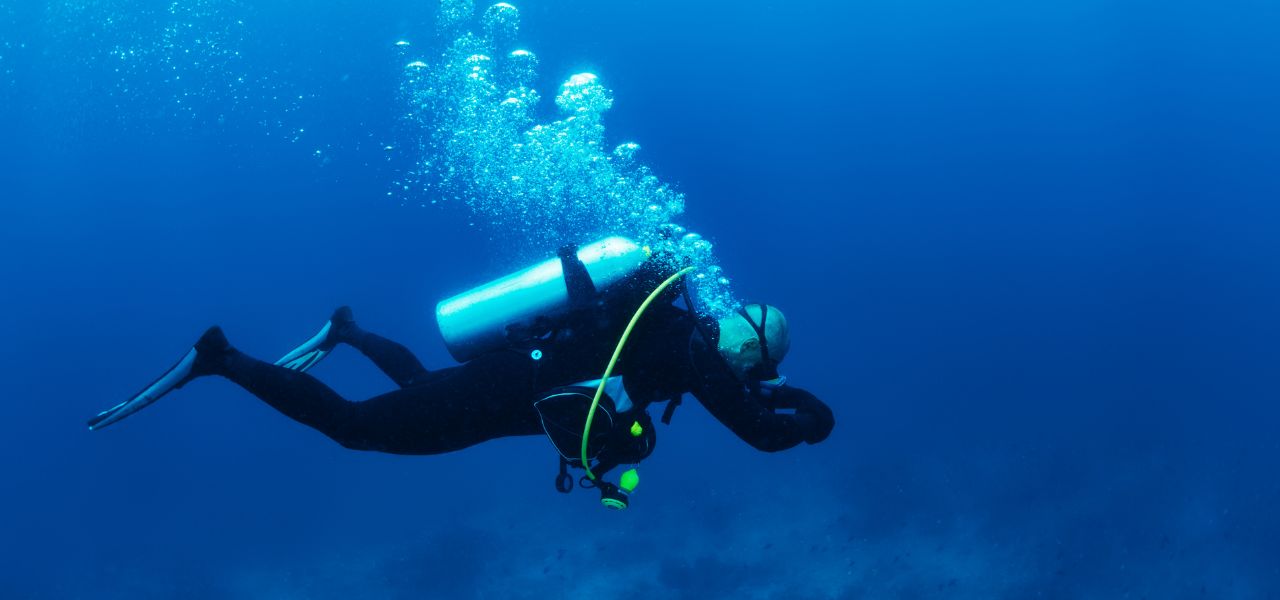
Most new divers experience a few small problems during their first Scuba Diving course, which is completely normal. Common challenges include:
- Mask issues: Fogging or small leaks are solved with proper mask fit, anti-fog techniques, and practicing mask-clearing skills.
- Buoyancy control: It takes a few dives to learn correct weighting, breathing control, and small BCD adjustments, but this improves rapidly with practice.
- Ear equalization: Learning to equalize early and often during descent prevents ear pain and makes going deeper more comfortable.
- Anxiety or discomfort: Confiding in your instructor, staying within shallow limits, and taking things step by step usually resolves this quickly.
A supportive instructor and a relaxed pace are key for a positive Scuba Diving course experience.
Life After Your First Scuba Diving Course
Once you are certified, the real fun begins. A completed Open Water Scuba Diving course lets you join recreational dives with a buddy or organized dive trips within your depth limits. Many new divers then choose to:
- Log as many fun dives as possible to build comfort and experience
- Take an Advanced course to explore deeper dives, night diving, or navigation
- Try specialty courses like buoyancy, photography, or marine ecology to match personal interests
This progression keeps you learning and opens more types of dives and destinations around the world.
How to Prepare Before You Enroll
A little preparation makes your first Scuba Diving course smoother and more enjoyable. Before starting:
- Make sure you can swim comfortably and float for a few minutes
- Complete your medical form honestly and get a doctor’s clearance if needed
- Read or watch the pre-course theory in the Mermates Center
- Get enough sleep, stay hydrated.
Bringing your own well-fitting mask and a simple checklist of personal items (swimwear, towel, sunscreen, water, and any medications) can also make your course days easier.